


Water softening systems from Swisskalk
What is a water softening system?
Hard water can cause a variety of problems in your home. But what exactly is hard water, and why should you care about it?
A water softening system reduces the calcium and magnesium content in your water. These minerals are responsible for limescale buildup, which can damage your pipes, household appliances, and even your skin.
At Swisskalk, we are dedicated to providing the best solutions for your water-related problems. We understand how important clean and soft water is for your home.
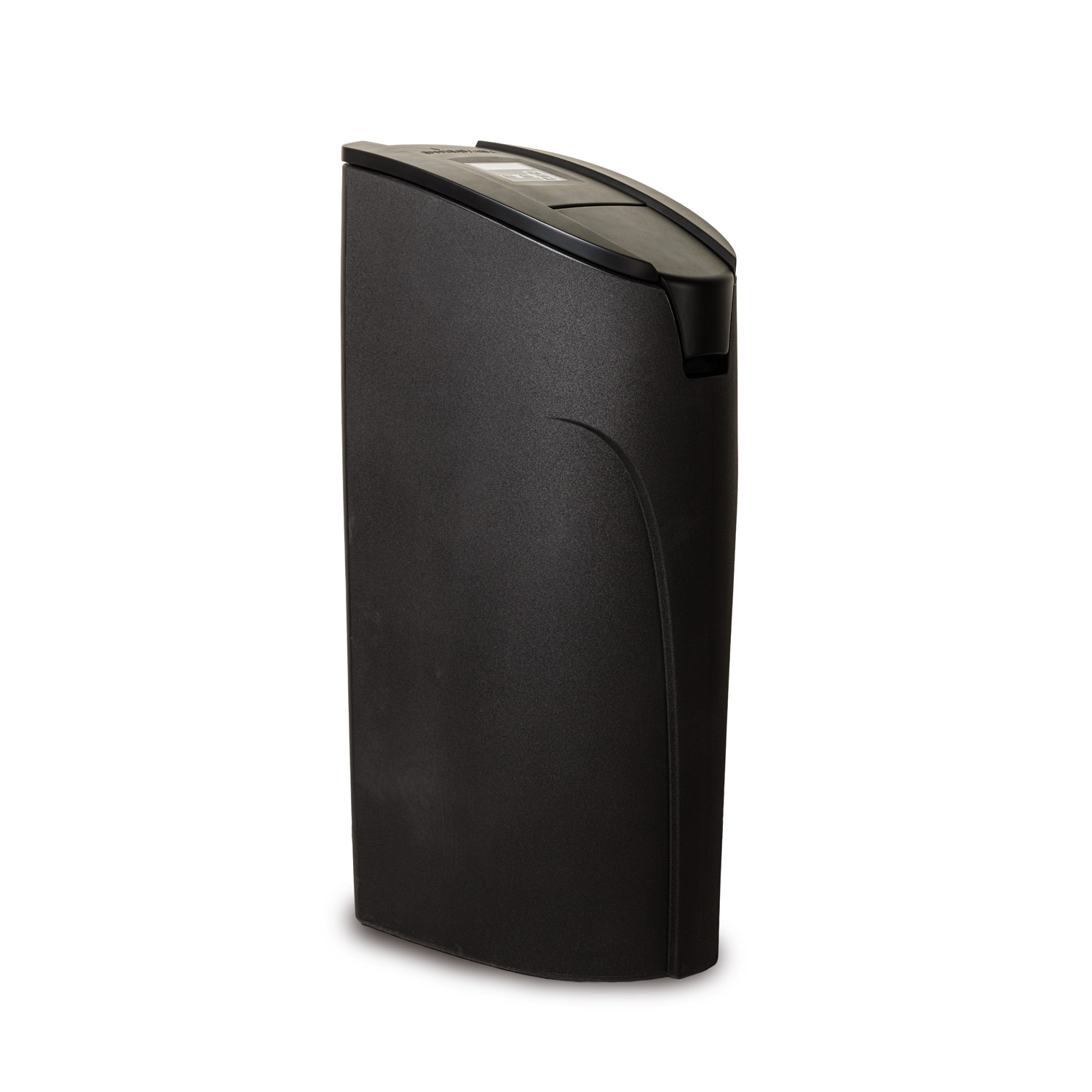
Areas of application for water softening systems
How do salt-free water softening systems work?
Our systems use state-of-the-art technology to reduce water hardness — without adding salt. This is achieved by altering the crystal structure of calcium and magnesium, preventing them from forming deposits.
Salt-free systems are not only beneficial for your home but also for the environment. They produce no wastewater and require no chemical additives.
How much does a water softening system cost?
The cost of a water softening system can vary depending on the size and type of system. Prices typically range from CHF 2,000 to CHF 2,600, depending on specific conditions. Installation costs by a plumbing professional may vary. At Swisskalk, we offer various models tailored to the specific needs of our customers. Contact us for a personalized quote and learn more about the different price ranges and options available.
The advantages
Possible disadvantages
Setting the correct water hardness
Setting the correct water hardness is important for maintaining both your household appliances and overall water quality. Water softening systems use the ion exchange process to replace calcium and magnesium ions with sodium ions, resulting in softer water. One important factor to consider is the sodium content in the water: for every °dH (degree of hardness) reduced, the sodium level increases by approximately 8 mg/l.
Since the sodium content in municipal drinking water is generally quite low, a moderate reduction in water hardness poses no issue. The legal limit for sodium is 200 mg/l, so even after softening, the sodium level remains within safe limits.
To find the optimal balance between sodium content and water hardness, the initial values must be known. For example: if municipal water has a sodium content of 40 mg/l and a hardness of 20 °dH, and you wish to reduce it to 5 °dH, the sodium level would increase by 120 mg/l (15 × 8 mg/l), resulting in a total of 160 mg/l — still below the legal limit. By adjusting the blending ratio per °dH, the sodium content can also be slightly reduced. This way, the water remains soft, safe, and pleasant — while protecting your plastic and stainless-steel pipes.
FAQs
Contact us
Do you have questions or would you like expert advice about your water softening system in Switzerland?
Get in touch with us — no obligation. If you wish, we’ll also be happy to provide a free consultation at your home.
Phone 062 955 70 28
We are happy to provide you with further information.
Nationwide service across Switzerland. Certified specialist company for the installation of water softening systems.
Schedule an appointment with a Swisskalk consultant today and enjoy expert advice in our showroom.
Note: Visits by phone appointment only.
Location
Midland Region:
Swisskalk GmbH
Brunnackerweg 4
4553 Subingen
062 955 70 28
Location
Zurich Region:
Swisskalk GmbH
Stettbachstrasse 6
8600 Dübendorf
043 500 02 82
Location
Western Switzerland Region:
Swisskalk Sàrl
Rue du Rhône 14
1204 Geneva
022 533 07 90


